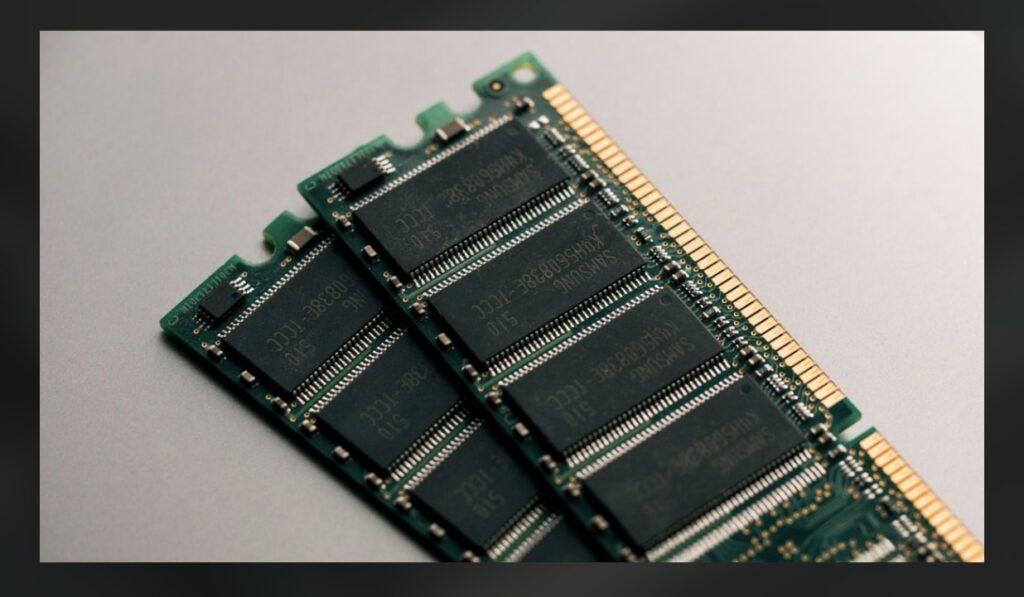
If you’re planning to build a new gaming rig, upgrade your laptop, or even just buy a decent entry-level smartphone this year, you might want to sit down. The tech world is officially in the grips of what industry insiders are actively calling “RAMmageddon”.
Unlike the pandemic-era component shortages—which were primarily driven by logistics bottlenecks and sudden spikes in stay-at-home consumer buying—the 2026 memory crisis is a deeply structural nightmare. Analysts at Gartner estimate a staggering 130% surge in combined DRAM and solid-state drive (SSD) prices by the end of the year. In just the second quarter of 2026 alone, consumer DRAM contract prices shot up by a blistering 89%.
So, who broke the market this time? The short answer: Artificial Intelligence.
The AI Vacuum
Global tech giants like Microsoft, Google, and Meta are projected to spend up to $650 billion in capital expenditures by 2026 to build out their AI infrastructure. To run massive, complex AI models, data centers require cutting-edge High Bandwidth Memory (HBM) and vast amounts of DDR5. Today, a single AI server consumes the memory equivalent of dozens, if not hundreds, of standard consumer laptops.
Memory makers have naturally followed the money. Because manufacturing high-end HBM consumes about four times the standard wafer area as regular DRAM, chipmakers are abandoning the consumer market to dedicate their factories to lucrative AI data center contracts. The shift in priorities is so extreme that hardware giant Micron effectively retired its consumer-facing Crucial brand earlier in 2026 to focus entirely on enterprise data centers and HBM production.
RIP to the Budget Build
The trickle-down effect for everyday consumers has been swift and brutal. The days of cheap memory upgrades are entirely in the rearview mirror:
- A standard 32GB DDR5-6000 kit that sold for under $90 in early 2025 spiked to around $529 by late 2025 and into 2026—roughly a fourfold increase.
- Even older, legacy DDR4 memory isn’t safe as a budget fallback; Taiwanese memory makers reported DDR4 contract prices surging by up to 50% in the third quarter of 2026.
- These soaring component costs are projected to cause global PC shipments to plummet by 10.4% and smartphone shipments to drop by 8.4% in 2026 compared to last year.
Most devastatingly, computer manufacturers can no longer afford to absorb these extra production costs. Experts now anticipate that the entire sub-$500 entry-level PC market will completely disappear by 2028.
If you have a working computer right now, treat it well. With memory shortages expected to drag on into 2027, the best upgrade advice for 2026 is simply to hold on to your current devices for as long as humanly possible.
A Look at 2026 RAM & Storage Pricing Trends
This deep dive analyzes the historical shifts in component manufacturing and explains the long-term industry implications driving today’s hardware crunch.